


Photo Credit: Siri Sarah LLC
In today’s fast-paced world, mastering personal finance is more crucial than ever, especially for millennials navigating an increasingly complex financial landscape. Whether you’re dealing with student loan debt, trying to figure out how to save for a down payment on a house, or exploring the world of investing, getting your finances in order can be overwhelming. That’s where MoneyWise Millennials comes in.
Our goal is to provide you with actionable insights and simple steps to help you make smarter financial decisions. From budgeting tips and saving strategies to investing advice and debt management techniques, we’ve got you covered. Financial freedom is within reach, and we’re here to guide you every step of the way.
Why Personal Finance is Critical for Millennials
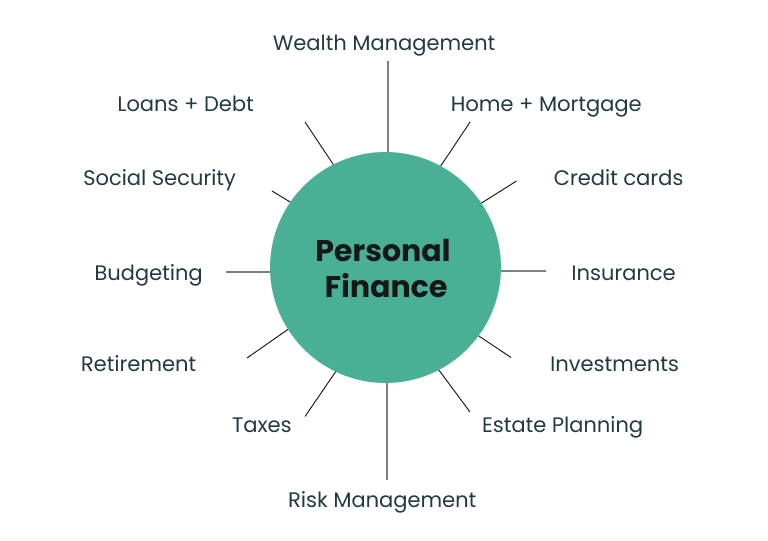
Millennials face unique financial challenges that previous generations didn’t have to contend with. With the cost of living rising faster than wages, coupled with the burden of student loan debt, many are finding it difficult to get ahead financially. However, understanding the basics of personal finance can help turn these challenges into opportunities.
Key Challenges for Millennials:
Student Loan Debt: According to recent statistics, millennials hold over $1.5 trillion in student loan debt. This debt can impact other financial goals like saving for retirement or purchasing a home.
Stagnant Wages: While living costs have skyrocketed, wage growth has remained relatively stagnant for most millennials, creating a financial strain.
Rising Living Costs: Rent, housing, healthcare, and education expenses have all increased dramatically, making it harder to save and invest for the future.
Economic Uncertainty: Job instability and economic downturns, like the COVID-19 pandemic, have made millennials cautious about their financial future.
Given these challenges, the question becomes, how do we as millennials achieve financial freedom? The answer lies in financial literacy and discipline.
Understanding Financial Freedom
So what exactly is financial freedom? In simple terms, it’s the ability to live the life you want without worrying about how you’re going to pay your bills. It means having enough savings, investments, and cash to cover your lifestyle while also securing your future.
To achieve financial freedom, it’s essential to master key aspects of personal finance:
Budgeting: Creating a budget helps you keep track of your income and expenses, ensuring you’re living within your means and saving for future goals.
Saving: Having an emergency fund and saving for long-term goals like retirement are critical steps toward financial freedom.
Investing: Smart investments allow your money to grow over time, building wealth for the future.
Debt Management: Managing and eliminating high-interest debt (like credit card or student loan debt) frees up your money for more productive uses.
Financial Planning: Planning for major life goals, such as buying a home or retiring, requires strategic financial planning and goal setting.
Step 1: Budgeting for Millennials
The first and most crucial step in any financial journey is creating a budget. A budget is a roadmap for your money, showing where it’s going and how much you can save or invest.
Why Budgeting is Important:
- It gives you a clear picture of your financial health.
- Helps you avoid unnecessary expenses and impulse purchases.
- Allows you to set and work toward financial goals.
- Reduces stress by providing financial clarity.
How to Create a Budget
Creating a budget is easier than you might think. Here are a few simple steps to get started:
- Track Your Income: This includes your salary, side hustles, and any passive income.
- List Your Expenses: Break your expenses down into categories like housing, groceries, transportation, and entertainment.
- Identify Areas to Cut: Look for areas where you can reduce spending. For instance, eating out less or canceling unused subscriptions.
- Set Savings Goals: Aim to save at least 20% of your income for long-term goals like retirement or buying a home.
- Automate Your Savings: Set up automatic transfers to your savings or investment accounts to ensure consistency.
Step 2: Saving Strategies for Millennials
The next step in your financial journey is learning how to save effectively. While saving may seem difficult, especially if you’re living paycheck to paycheck, small changes can make a big difference over time.
The Importance of Saving
- Emergency Fund: Life is unpredictable, and having 3 to 6 months’ worth of living expenses saved in an emergency fund can prevent financial ruin during tough times.
- Long-Term Goals: Saving for major life milestones, such as purchasing a home, traveling, or starting a business, requires consistent and strategic saving.
- Financial Security: Savings provide a sense of security, allowing you to handle financial emergencies and retire comfortably.
Tips for Saving Money
- Pay Yourself First: Treat your savings as a non-negotiable expense. Set aside money for savings before paying bills or other expenses.
- Cut Unnecessary Expenses: Evaluate your spending habits and cut back on things like dining out, entertainment, or subscriptions that you don’t use.
- Use High-Yield Savings Accounts: Look for accounts that offer higher interest rates to maximize your savings growth.
- Set Clear Goals: Whether it’s saving for an emergency fund, a vacation, or a home down payment, having specific goals makes it easier to stay on track.
Step 3: Investing for Millennials
Investing is the key to growing your wealth and achieving financial independence. The earlier you start investing, the more time your money has to grow through compound interest.
Why Millennials Should Invest
- Beat Inflation: Investing helps your money grow faster than inflation, protecting your purchasing power over time.
- Wealth Building: With smart investments, you can turn a small amount of money into a significant nest egg over the years.
- Retirement Planning: Investing in retirement accounts like 401(k)s or IRAs is crucial to ensure a comfortable retirement.
How to Start Investing
- Set Your Goals: Determine what you’re investing for—retirement, a house, or general wealth building.
- Choose an Investment Account: Depending on your goals, you can invest through a brokerage account, Roth IRA, or 401(k).
- Start Small: You don’t need a lot of money to start investing. Platforms like Acorns or Robinhood allow you to start with as little as $5.
- Diversify Your Portfolio: Don’t put all your money into one stock or sector. Spread your investments across different asset classes like stocks, bonds, and real estate.
- Use Low-Cost Index Funds: Index funds are a great option for beginners because they offer broad market exposure and lower risk.
Step 4: Managing and Reducing Debt
Millennials are often burdened with debt, from student loans to credit card balances. However, with the right approach, you can pay off debt faster and free up money for saving and investing.
Types of Debt Millennials Face:
Student Loan Debt: Many millennials are weighed down by student loans, which can delay major life milestones like buying a home or starting a family.
Credit Card Debt: High-interest credit card debt can quickly spiral out of control, costing you hundreds or thousands in interest payments.
Auto Loans: Car payments are another significant financial obligation for many millennials, often at high interest rates.
How to Pay Off Debt Faster
Create a Debt Payoff Plan: Focus on paying off high-interest debt first (credit cards, personal loans), while making minimum payments on lower-interest debts (student loans, mortgages).
Use the Debt Snowball or Avalanche Method: With the Debt Snowball Method, you pay off your smallest debts first, building momentum as you go. With the Avalanche Method, you prioritize debts with the highest interest rates.
Consolidate Debt: If you have multiple loans with high interest rates, consider consolidating them into a lower-interest loan to simplify payments and save on interest.
Cut Expenses and Use Extra Cash: Redirect any extra money—such as tax refunds, side hustle income, or bonuses—toward your debt.
Step 5: Building a Money Mindset
Lastly, building a money mindset is crucial to long-term financial success. A healthy relationship with money helps you make sound financial decisions and avoid the pitfalls of emotional spending.
Developing a Positive Money Mindset:
Set Financial Goals: Clear, specific goals motivate you to stay disciplined in your financial habits.
Track Your Progress: Regularly check your budget, savings, and investments to ensure you’re on track to meet your goals.
Avoid Comparison: Don’t compare your financial journey to others. Focus on your own progress and celebrate small wins.
Educate Yourself: Continue learning about personal finance, whether through blogs, podcasts, or courses, to stay informed and make smarter financial decisions.
Conclusion: Take Control of Your Financial Future
Financial freedom isn’t a distant dream—it’s achievable with the right tools and mindset. At MoneyWise Millennials, we’re committed to helping you navigate the world of personal finance with confidence. By focusing on budgeting, saving, investing, and debt management, you can build a strong financial foundation and achieve your long-term goals.
Remember, it’s never too early or too late to start your journey toward financial freedom. Stick with us, and together, we’ll make smarter financial choices that lead toFinancial freedom isn’t a distant dream—it’s achievable with the right tools and mindset. At MoneyWise Millennials, we’re committed to helping you navigate the world of personal finance with confidence. By focusing on budgeting, saving, investing, and debt management, you can build a strong financial foundation and achieve your long-term goals.



0 Comments